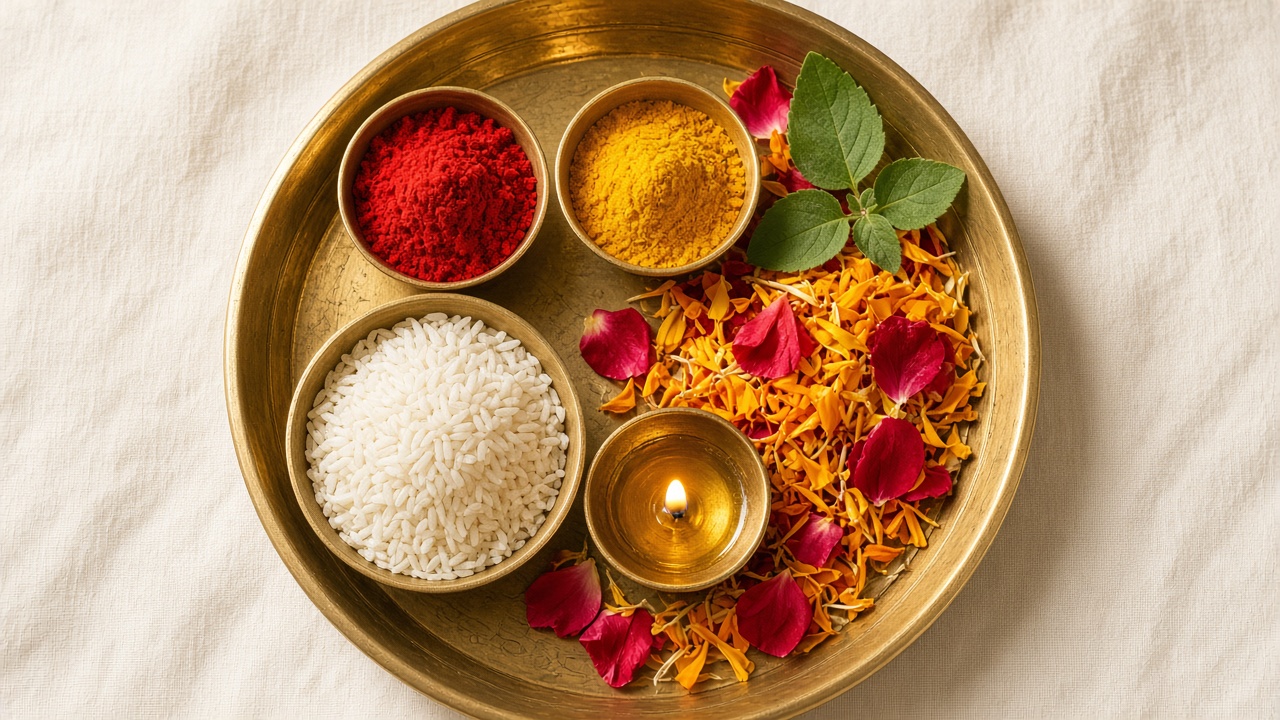
Onnoprashon Mukhe Bhaat Annaprashan at Home
Onnoprashon, called Mukhe Bhaat in Bengali families, is the joyful first feeding of solid food to a baby—usually rice, kheer, or a gentle grain prepared by elders. Short prayers th
Onnoprashon Mukhe Bhaat Annaprashan at Home
अन्नप्राशन (मुखे भात)
The rite
Onnoprashon, called Mukhe Bhaat in Bengali families, is the joyful first feeding of solid food to a baby—usually rice, kheer, or a gentle grain prepared by elders. Short prayers thank the divine for the child’s growth and ask for healthy eating habits ahead. Bengaluru homes with Bengali roots often invite maternal uncle or a chosen elder to offer the first spoon after mantra. Book Pandit Mrityunjay Sharma via WhatsApp on this site for North Indian Vedic blessing at your home; samagri guidance comes before the day. Pediatric advice on allergens and choking hazards still comes first; the pandit blesses only food you already plan to offer the baby.
Time at the house: 1–1.5 hours
Pandit Mrityunjay Sharma does this at the house in Bengaluru. The fee is not printed on this page. It is sent on WhatsApp with the material list.
Why families book it
First food is a milestone beyond medical weaning charts. The ritual lets grandparents participate and records memory for the child later. It is not medical advice on allergens or portion size—parents should follow pediatric guidance.
Pandit Mrityunjay Sharma performs ganesh-lakshmi invocation and baby blessing without promising future height, exams, or temperament. The focus is sanctified first bite in a calm home setting.
Prepare baby food separately from prasad sugar levels. Grandparents often choose the first feeding elder; confirm that name before the day. Keep a change of clothes for the baby nearby. Photographs are welcome after the religious portion. If annaprashan is also planned at a restaurant later, this home puja can be the sacred first step only.
When you confirm on WhatsApp, mention apartment or independent house access, parking if needed, and whether elders will join from the ground floor only.
When families ask
- When doctor approves starting solids, often around six months
- On a date elders choose from panjika or family tradition
- Weekend when relatives from Kolkata or Assam can visit Bengaluru
- Combined with naamkaran if timing aligns
- Second child—same joy, simpler guest list
- When you want mantra before restaurant annaprashan photos
- When prior attempts to DIY ritual felt incomplete or out of order
- When parents visiting Bengaluru expect a proper pandit-led ceremony
Short vidhi
- Ganesh puja for child’s wellbeing
- Sankalp with baby name and parents’ names
- Blessing of cooked rice, payesh, or banana mash prepared hygienically
- Mother and baby seated comfortably; father may hold
- Elder offers first symbolic spoon after tilak on baby
- Short mantra for nourishment and digestion—not disease cure
- Arati for family peace
- Prasad shared; remaining food handled per hygiene
- Akshata blessing on parents
- Brief review of next-day or follow-up customs the family may continue alone
- Collection of used flower and fruit offerings for respectful disposal guidance
The pandit confirms the order on WhatsApp before the visit.
Samagri
- Baby-safe food in new bowl
- Silver or steel spoon
- Turmeric, kumkum (tiny amounts)
- Flowers
- Incense (light, ventilate room)
- Ghee lamp
- Fruits
- Payesh ingredients if cooking on site
- Clean banana leaf or plate
- Rice, coconut
- Sweets for guests
- Ganga jal drop in food optional per custom
The exact list for your day is sent on WhatsApp. This page does not sell a kit and does not say materials are included in a fee.
Questions
North Indian pandit for Bengali ritual?
Yes. Mantras are Vedic; Mukhe Bhaat customs your elders describe are followed.
Allergic baby?
Use doctor-approved food only; ritual can bless that item.
Twins together?
Yes, with two spoons and adjusted sankalp.
Hall booking needed?
Home is ideal for baby comfort.
Photographer before pandit?
Religious portion first avoids rushed mantras.
Fish symbol in Bengali custom?
Decorative fish can be present; food offered is your choice.
Guaranteed health?
No. Worship supports the occasion; medical care stays with your doctor.
Who offers the first spoon?
Usually a maternal uncle or elder your family names in advance. The pandit blesses the food, then that elder feeds the baby symbolically.