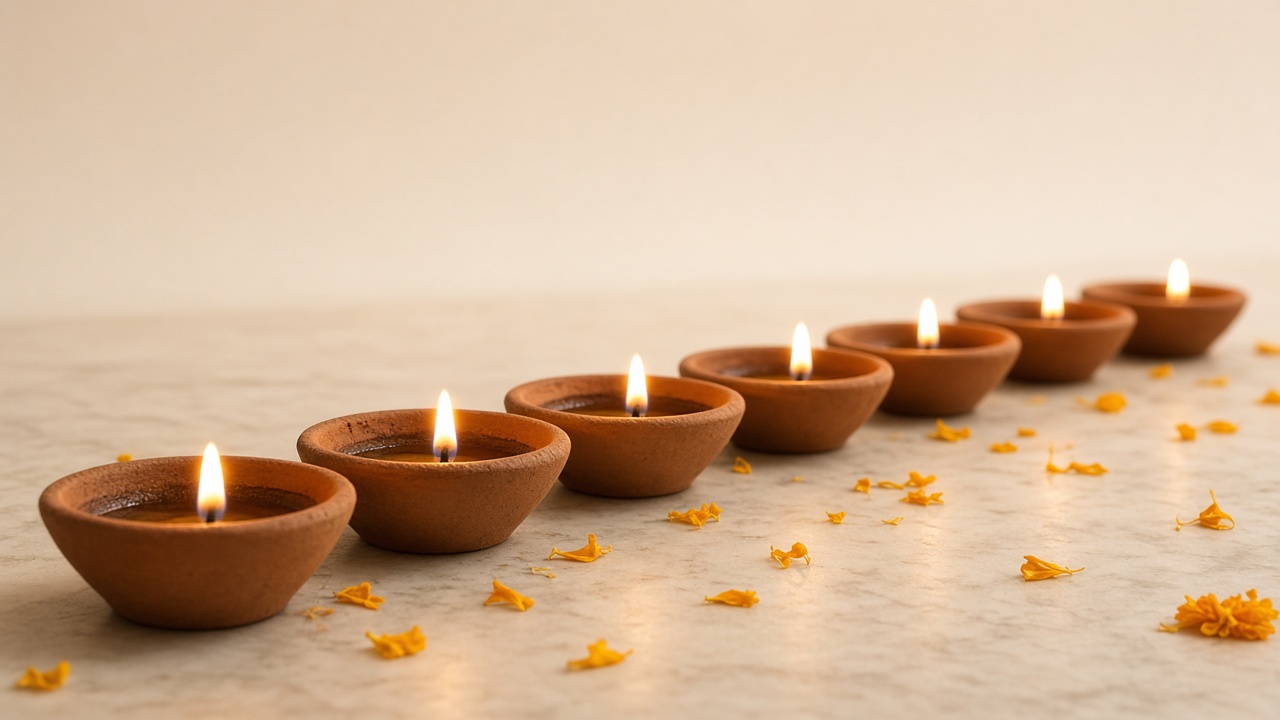
Hiranya Srardham
Hiranya Shraddha is a streamlined ancestral rite where offerings to pitrus are made with symbolic gold (hiranya), sesame, and water when full Parvana Shraddha with cooked meals for
Hiranya Srardham
हिरण्य श्राद्ध
The rite
Hiranya Shraddha is a streamlined ancestral rite where offerings to pitrus are made with symbolic gold (hiranya), sesame, and water when full Parvana Shraddha with cooked meals for many brahmins is not practical. NRIs and Bengaluru professionals often choose it when time, health, or apartment limits make large shraddha kitchens difficult. Pandit Mrityunjay Sharma performs the North Indian shraddha paddhati at your home with correct tarpana, pinda dana symbolism, and dakshina, after confirming deceased names and tithi on WhatsApp. You confirm date, address, and who will sit for sankalpa through the site WhatsApp form; Mrityunjay Sharma serves homes across Bengaluru and nearby towns within roughly one hundred kilometres, sends the samagri checklist in advance, and discusses the visit fee only in chat—not on this page.
Time at the house: 2–3 hours
Pandit Mrityunjay Sharma does this at the house in Bengaluru. The fee is not printed on this page. It is sent on WhatsApp with the material list.
Why families book it
Scripture allows hiranya form when the kartha cannot host elaborate bhojan or when priests are unavailable in numbers. The emphasis stays on satisfying pitrus through mantra, til, and dana rather than on feast scale. At-home performance keeps annual obsequies private and lets the eldest son or appointed kartha take part without travel to native village.
Shraddha does not ‘fix’ family disputes or inheritance issues; it is duty to ancestors. Mrityunjay Sharma will not promise pitru dosha removal for property gains—only proper karmakanda to the best of household ability.
When siblings live in different Indian cities, one Bengaluru kartha can represent the family with names of all mourners in sankalpa. Mrityunjay Sharma documents the tithi completed so native village priests know annual repetition dates without conflicting calendars.
When families ask
- Annual pitru tithi (masik or yearly) when simplified form is chosen
- During Pitru Paksha for specific ancestor’s day
- When kartha is unwell and cannot cook full shraddha menu
- After advice from family priest that hiranya is appropriate for your situation
Short vidhi
- Verify deceased names, relationship, and tithi; kartha thread and purity instructions
- Ganesh and Vishnu avahan; sankalpa for hiranya shraddha
- Pitrus invocation with til and water; darsha shraddha elements as applicable
- Offer hiranya (gold leaf or coin symbol) with mantra to pitrus
- Pinda dana or symbolic pinda per North Indian practice pandit follows
- Tarpana to father, grandfather, great-grandfather lines (matamaha if included)
- Dakshina to pandit representing brahmana bhojan substitute
- Feed cow or bird offering if arranged; prasadam for family
The pandit confirms the order on WhatsApp before the visit.
Samagri
- Black sesame (til), barley, kusha grass
- Gold leaf, gold coin, or hiranya substitute pandit specifies
- Pinda rice, ghee, honey, milk
- Darba grass mats, brass plates
- Gangajal, tulsi, white flowers
- White cloth for kartha, yajnopavita
- Coconut, fruits, simple cooked items for naivedya
- Dakshina, betel leaves
- Photos of ancestors optional on separate cloth
- Incense, diya, camphor
- Clean seated area facing south if tradition requires
The exact list for your day is sent on WhatsApp. This page does not sell a kit and does not say materials are included in a fee.
Questions
Is hiranya shraddha valid without brahmin bhojan?
It is prescribed for constrained situations; the pandit performs with dakshina representing danam. Families seeking full Parvana should say so when booking.
Can daughters perform if no son is present?
Custom varies; many lineages appoint nearest male kartha. Share family rule on WhatsApp for honest guidance.
Do we need to be vegetarian that day?
Kartha usually observes strict satvik rules; household may follow elders’ note.
Can two ancestors share one session?
Separate tithis normally need separate sankalpa; combined only when pandit agrees same paksha rule applies.
What about pitru photos on the wall?
Optional respect; main worship uses mantra and til, not photo-centric ritual.
Is this done only in Pitru Paksha?
Annual tithi any month is common; Pitru Paksha is frequent choice.
How are names collected?
Through WhatsApp after site form: deceased name, relation, date of death, and your gotra.